Can I File a Noise Complaint About Construction?
Can I File a Noise Complaint About Construction?
Construction is the backbone of urban development and infrastructure growth. However, anyone who has managed a job site knows that progress often comes with friction—most notably, noise.
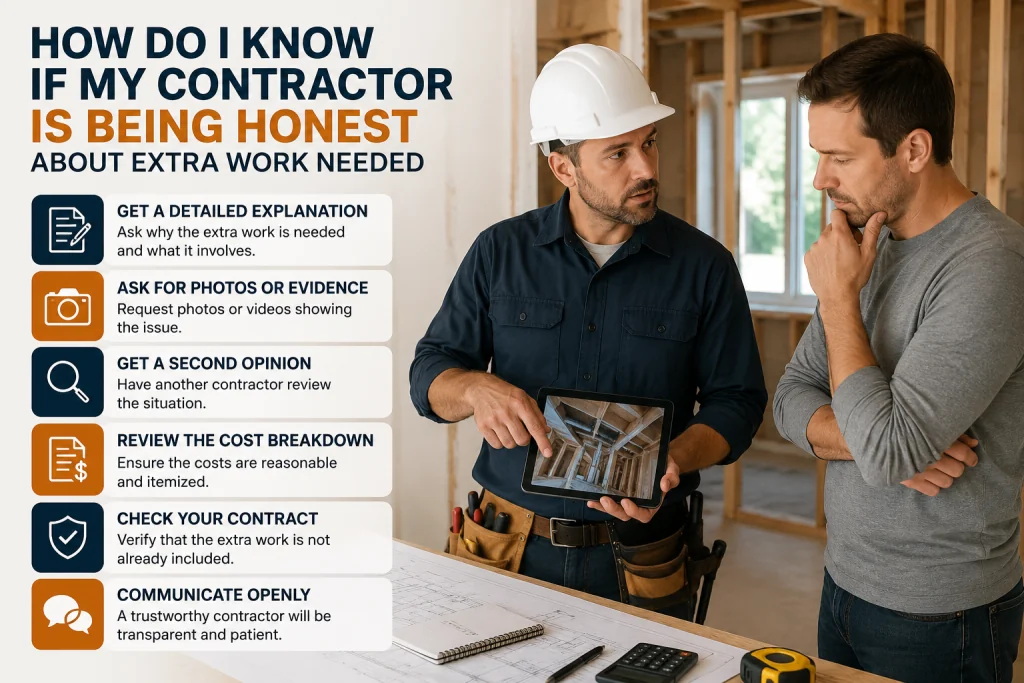
As a construction professional, project manager, or site supervisor, you are no stranger to the occasional grievance from the community. But to effectively manage site operations and maintain good public relations, it is crucial to understand the perspective of the public.
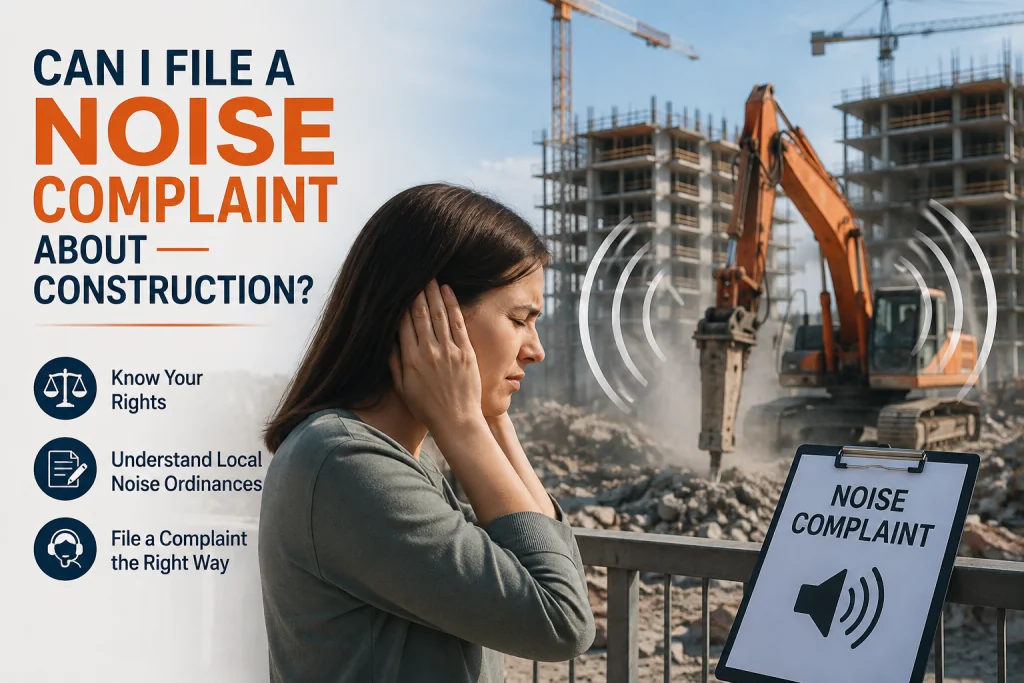
This brings us to a critical question: Can I file a noise complaint about construction? And, how do residents report excessive noise?
More importantly for those of us in the building trades: How should construction companies anticipate, manage, and resolve these complaints to keep projects on schedule?
Here is a comprehensive guide to understanding construction noise complaints from both the public and industry perspectives.
Part 1: The Public’s Perspective
Can I File a Noise Complaint About Construction?
The short answer is yes. Residents and local business owners absolutely have the right to file a noise complaint if they believe construction noise is excessive, disruptive, or violating local laws.
However, the public often misunderstands construction noise regulations. While standard residential noise ordinances (which limit loud music or barking dogs) usually do not apply to active construction sites, construction-specific noise ordinances strictly regulate the industry.
How to Report Excessive Noise
When the public feels that a construction site is crossing the line, they typically report it through the following channels:
- Direct Site Contact: The most effective route. Professional sites post a sign on the perimeter fencing with a 24/7 hotline or site manager contact info.
- Municipal 311 or Non-Emergency Police Lines: Residents can call local city services to report a violation of permitted working hours or excessive decibel levels.
- Local Environmental or Health Departments: In some jurisdictions, severe or persistent noise violations are handled by city code enforcement or environmental compliance officers.
- City Council or Zoning Boards: For long-term, mega-projects, frustrated residents may escalate their complaints to local government representatives, which can jeopardize future permitting.
Part 2: The Construction Industry’s Perspective
Why Noise Complaints Matter to Your Bottom Line
For construction firms, a noise complaint is not just a nuisance; it is a project risk. Ignoring how the public reports excessive noise can lead to severe consequences:
- Stop-Work Orders: Code enforcement officers can halt your operations until the noise is mitigated, costing thousands of dollars in delayed labor and equipment rentals.
- Financial Penalties: Municipalities can issue hefty daily fines for violating noise ordinances or working outside of permitted hours.
- Reputational Damage: A site known for being a "bad neighbor" will face fierce opposition from the community during the permitting phase of future local projects.
Part 3: Proactive Strategies for Construction Professionals
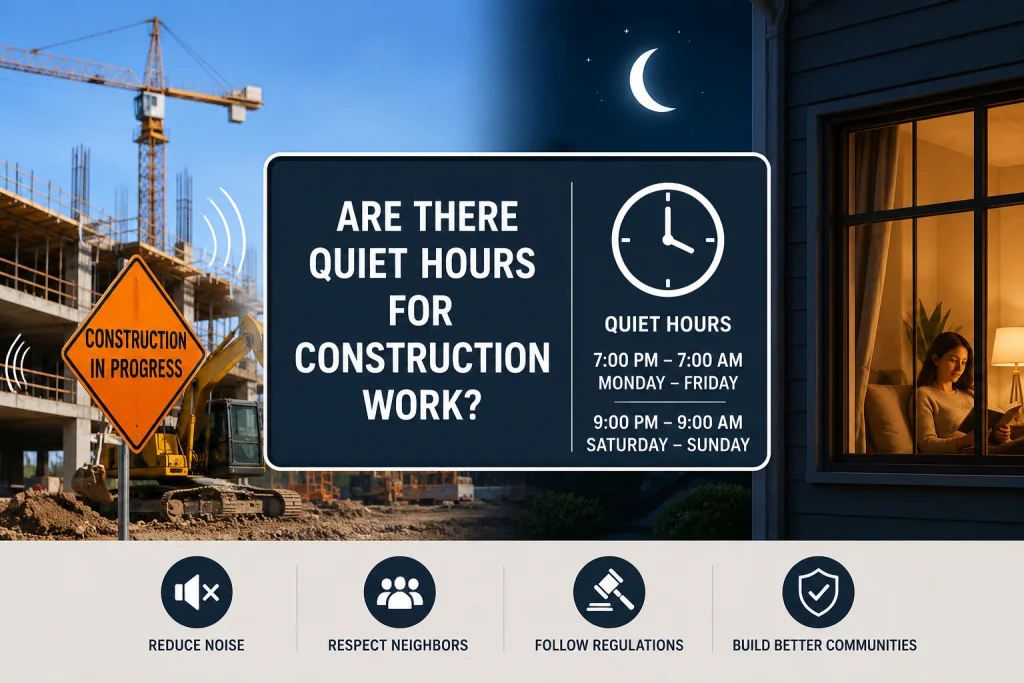
The best way to handle a noise complaint is to prevent it from happening in the first place. Here is how modern construction firms can proactively manage acoustic impact:
1. Implement Strict Scheduling Know your local permitted working hours inside and out. Furthermore, schedule the most high-decibel activities (like pile driving, concrete breaking, or heavy demolition) for the middle of the permitted workday, rather than the very beginning or end of the shift.
2. Invest in Noise Mitigation Technology
- Acoustic Barriers: Deploy temporary acoustic fencing, sound blankets, and enclosures around stationary, loud equipment like generators and compressors.
- Equipment Maintenance: A poorly maintained machine is a loud machine. Ensure exhaust systems and mufflers are regularly inspected.
- Alternative Methods: Where possible, utilize hydraulic crushers instead of pneumatic breakers, or use electric equipment instead of diesel, which significantly reduces both noise and vibration.
3. Optimize Site Logistics Position the loudest equipment as far away from the nearest property lines, residential buildings, or hospitals/schools as the site allows. Use existing buildings or earth berms as natural sound buffers.
Part 4: Reactive Strategies: Handling a Complaint Professionally
Despite your best efforts, a complaint may still arise. When a resident reports excessive noise, your site management team should follow a professional protocol:
- Make Reporting Easy: Always display clear signage on the site fence with the Site Superintendent’s direct phone number and email. Goal: Divert complaints away from the police and directly to the people who can fix the problem.
- Acknowledge and Empathize: When contacted, do not get defensive. Acknowledge the disruption and assure the resident that the issue is being investigated.
- Investigate Immediately: Send a site supervisor to the property line with a decibel meter to verify the complaint. Identify the specific equipment or activity causing the issue.
- Mitigate on the Spot: If the noise is indeed excessive or occurring outside of standard practices, adjust the workflow. Move the equipment, install a temporary sound barrier, or reschedule the task.
- Close the Loop: Call the complainant back to explain what was found and the corrective actions taken. This simple step turns an angry resident into an understanding community member.
To answer the initial question: Yes, the public can and will file noise complaints about construction, and they have multiple channels to report excessive noise.
For the construction industry, the key to success is shifting from a reactive mindset to a proactive one. By understanding local noise ordinances, investing in acoustic mitigation, and maintaining open, transparent communication with the community, construction firms can build not just structures, but lasting goodwill.
Found this article valuable?
Share it with fellow builders, architects, or download the QR code.
Written by Shanmugam2026
Verified CreatorARQONZ Editorial Team brings you expert insights, construction guides, and architectural design trends from across the building industry.
Related Articles in Construction
What Should I Never Say to My Contractor?