
How Do Contractors Keep Track of Tools and Equipment Efficiently?
How Do Contractors Keep Track of Tools and Equipment Efficiently?
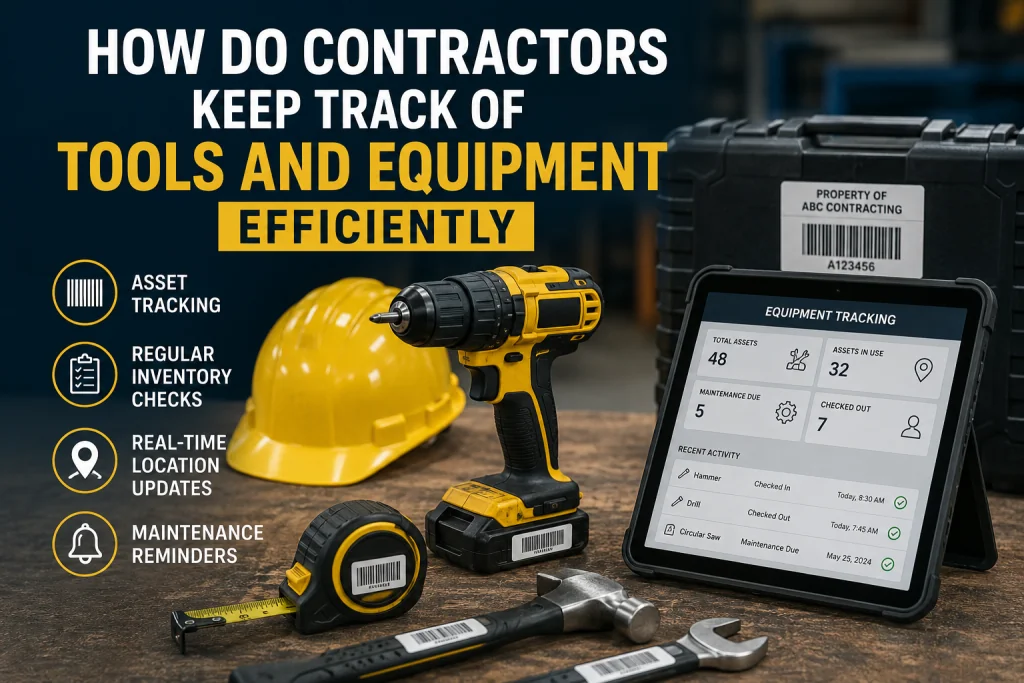
Meta Description: Discover how top contractors efficiently track tools and equipment. Learn the best inventory management systems and best practices to reduce losses, prevent theft, and boost job site productivity.
Picture this: It’s 7:00 AM on a Tuesday. The crew is ready to break ground, but the foreman can’t find the rotary laser level. Twenty minutes and several phone calls later, it turns out the tool was left in a truck at yesterday’s site.
In the construction industry, this scenario is far too common. But the cost of misplaced tools goes far beyond a delayed morning start. Between misplaced hand tools, damaged power equipment, and outright theft, poor inventory management bleeds thousands of dollars from construction budgets every year.
So, how do successful contractors keep track of their tools and equipment efficiently? The secret lies in implementing the right tracking systems and fostering a culture of accountability. Here is a comprehensive guide to managing your tool inventory and drastically reducing losses.
The True Cost of Poor Tool Management
Before diving into the solutions, it is crucial to understand the impact of the problem. Inefficient tool tracking leads to three major issues:
- Financial Drain: The Construction Industry Institute (CII) estimates that craft workers spend up to 30% of their time looking for tools, materials, and equipment. Furthermore, replacing lost or stolen tools can consume up to 5% of a project's total budget.
- Project Delays: When critical equipment is missing, work stops. Idle labor costs money.
- Safety and Compliance Risks: Tools that are lost are often not inspected or maintained. Sending a crew to work with unchecked, damaged equipment is a massive liability.
Top Systems to Track Tools and Equipment
To combat these issues, modern contractors are moving away from clipboards and spreadsheets, adopting technology-driven systems tailored for the rugged job site environment.
1. Barcoding and QR Codes (The Baseline System)
For small to mid-sized contractors, barcoding or QR codes offer a highly cost-effective entry into digital inventory management.
- How it works: Every tool is tagged with a durable, weather-resistant QR code or barcode. When a worker checks a tool out, they (or the tool crib manager) scan the code using a smartphone or dedicated scanner.
- Best for: Hand tools, power tools, and small equipment. It provides a clear digital trail of who has what, and when it was taken.
2. RFID (Radio Frequency Identification) (The Heavy-Duty System)
RFID is a game-changer for high-volume tool cribs and large-scale operations.
- How it works: Unlike barcodes, RFID tags do not require a direct line of sight to be scanned. Contractors can install RFID gateways at the entrance of a tool crib or job site trailer. As a worker walks through the gate with a bag of tools, the system instantly reads all the RFID tags and logs the check-out.
- Best for: Rapid check-in/check-out processes, reducing bottlenecks at the tool crib, and ensuring nothing leaves the site without being logged.
3. GPS and IoT Trackers (For High-Value Assets)
While QR codes are great for a $200 impact driver, they won't help you find a $50,000 skid steer or a $10,000 air compressor.
- How it works: Hardwired or battery-powered GPS and IoT (Internet of Things) trackers are attached to heavy equipment and high-value assets.
- Best for: Geofencing and anti-theft. If a generator is moved outside a designated virtual boundary (geofence) after hours, the system instantly sends an alert to the project manager’s phone. It also tracks utilization rates, showing you if a piece of equipment is actually being used or just sitting idle.
4. Cloud-Based Construction Management Software (The Brain)
Hardware (tags and trackers) is only half the battle; you need software to process the data. Cloud-based inventory management platforms act as the central brain for your assets.
- Key Features to Look For:
- Real-time visibility: See exactly where every tool is across multiple job sites.
- Maintenance scheduling: Automated alerts for routine servicing, ensuring tools are safe and extending their lifespan.
- Depreciation tracking: Know the exact financial value of your fleet for tax and accounting purposes.
- Check-in/Check-out logs: Digital signatures and timestamps to establish clear accountability.
Best Practices to Reduce Losses and Maximize Efficiency
Implementing technology is only the first step. To truly reduce losses, contractors must pair these systems with strong operational best practices.
Establish a Strict "Tool Crib" Culture
Centralize your equipment. Instead of letting workers store tools in their personal trucks, implement a managed tool crib. Whether physical or digital, there should be a single point of distribution. If a tool isn't checked out through the system, it shouldn't be on the job site.
Assign Clear Accountability
A tool without an owner is a tool waiting to be lost. Use your inventory software to assign specific tools to specific crews or individuals. When workers know their name is tied to the equipment, care and accountability naturally increase.
Conduct Routine Audits
Don’t wait until the end of a project to do an inventory count. Schedule weekly or bi-weekly physical audits to reconcile your software data with the actual tools on site. This helps catch discrepancies early before a "misplaced" tool turns into a permanent loss.
Implement a "Clean as You Go" Policy
Many tools are lost simply because they are left in the dirt, buried under debris, or accidentally thrown into the dumpster. Enforce strict end-of-day cleanup protocols. Tools should be cleaned, inspected for damage, and returned to the crib or secured storage every single day.
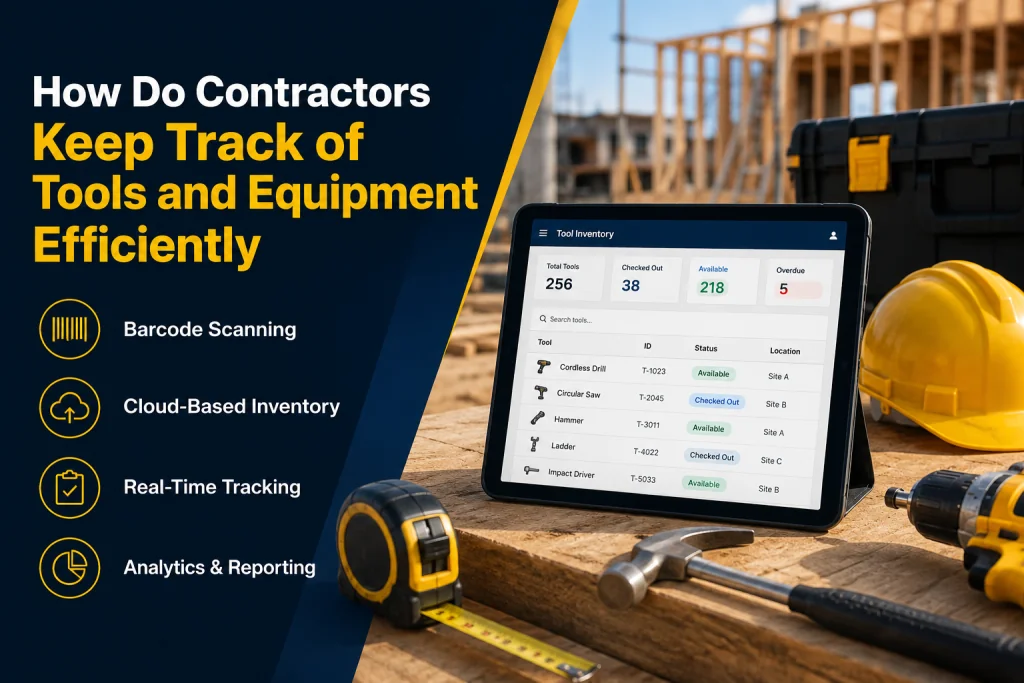
Contractors often hesitate to invest in tool tracking systems, viewing the software subscriptions and RFID tags as an added expense. However, the ROI is almost immediate.
By implementing a robust tracking system, you eliminate the time wasted searching for equipment, prevent the redundant purchasing of "lost" tools, deter theft through GPS tracking, and extend the life of your assets through automated maintenance schedules.
Found this article valuable?
Share it with fellow builders, architects, or download the QR code.
Written by Shanmugam2026
Verified CreatorARQONZ Editorial Team brings you expert insights, construction guides, and architectural design trends from across the building industry.
Related Articles in Construction

What Should I Never Say to My Contractor?