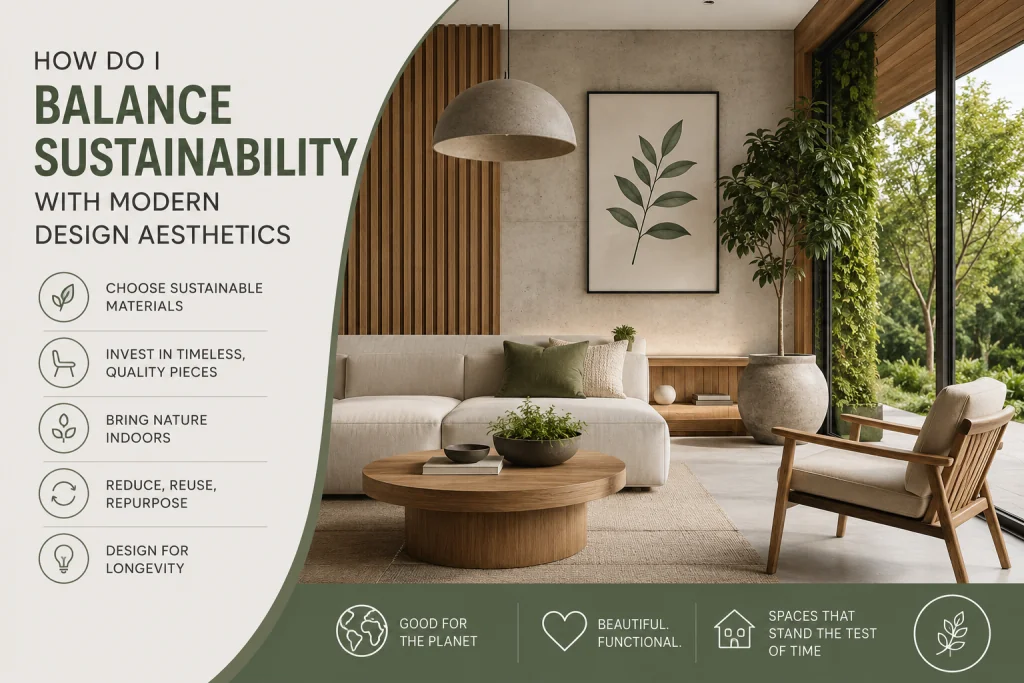
How Do I Balance Sustainability With Modern Design Aesthetics?
How Do I Balance Sustainability With Modern Design Aesthetics?
Meta Description: Discover how construction professionals can seamlessly integrate high-end modern design aesthetics with rigorous environmental responsibility. Learn strategies for materials, technology, and collaborative planning.
For decades, the construction and architecture industries operated under a false dichotomy: a building could be highly sustainable, or it could be visually stunning, but rarely both. The stereotype of "green building" often conjured images of compromised architectural vision, bulky solar arrays, and utilitarian finishes.
Today, that narrative is entirely obsolete.
As we move further into the 2020s, client demands, stringent environmental regulations, and corporate ESG (Environmental, Social, and Governance) goals have fundamentally shifted the market. The modern client does not want to choose between a striking architectural vision and a low-carbon footprint. They demand both.
So, how do we, as construction and design professionals, answer the question: How do I balance sustainability with modern design aesthetics? The answer lies in recognizing that true modern design is no longer just about visual style; it is about the seamless integration of style and environmental responsibility.
Here is a comprehensive guide for construction professionals on how to achieve this balance without compromising on either front.
1. Shift from "Added-On" to "Integrated" Design
The biggest mistake in balancing aesthetics and sustainability is treating green features as an afterthought. When solar panels, extra insulation, or water catchment systems are bolted onto a finished design, they disrupt the architectural lines.
The Solution: Implement Integrated Project Delivery (IPD) from day one. Architects, structural engineers, MEP (Mechanical, Electrical, and Plumbing) contractors, and sustainability consultants must collaborate during the conceptual phase.
- Passive Design as Aesthetics: Use passive solar design, natural ventilation, and strategic daylighting not just to reduce energy loads, but to shape the spatial experience. Large, strategically placed overhangs can provide striking modern shading while optimizing thermal performance.
- Hidden Technology: Utilize Building-Integrated Photovoltaics (BIPV) where solar materials act as the actual roofing or facade cladding, maintaining sleek, uninterrupted modern lines.
2. Elevate Material Selection: The New Luxury of Sustainability
Modern aesthetics often rely on clean lines, natural textures, and a sense of permanence. Fortunately, the sustainable materials market has evolved to meet these exact visual demands.
- Mass Timber: Cross-laminated timber (CLT) and glulam are no longer just structural elements; they are aesthetic features. Exposed mass timber provides the warm, biophilic textures that modern design craves, while sequestering carbon and reducing the embodied energy of the building.
- High-Performance Envelopes: Modern design loves glass, but glass is a thermal weak point. Balance this by utilizing high-performance electrochromic (smart) glass and ultra-slim vacuum insulated panels (VIPs). These allow for the expansive, transparent facades clients love without the massive energy penalty.
- Reclaimed and Recycled with a Finish: Reclaimed wood, recycled steel, and crushed recycled glass can be finished to look incredibly high-end. The key is in the detailing. A modern aesthetic requires precise joints and clean finishes, proving that recycled materials can look just as luxurious as virgin resources.
3. Embrace "Design for Durability" as an Aesthetic Choice
In the construction industry, we know that the most sustainable building is the one that doesn't need to be replaced. Modern design aesthetics are increasingly moving away from the "disposable" look and embracing materials that age gracefully.
- The Beauty of Patina: Specify materials like naturally weathering copper, untreated cedar, or rammed earth. These materials offer a striking, minimalist modern look upon installation and develop a beautiful, protective patina over time, eliminating the need for toxic, high-maintenance chemical sealants.
- Timelessness over Trends: True modern design avoids fleeting trends. By focusing on timeless proportions, high-quality natural materials, and adaptable floor plans, you create buildings that remain visually relevant for decades, inherently supporting long-term sustainability.
4. Leverage Biophilic Design
Biophilic design—the concept of connecting building occupants more closely to nature—is the ultimate bridge between style and environmental responsibility. It is highly sought after in modern commercial and residential projects because it improves occupant well-being and productivity.
- Living Walls and Interior Landscapes: Integrate greenery directly into the architectural fabric. A striking, multi-story living wall in a corporate lobby serves as a breathtaking modern focal point while naturally filtering indoor air and regulating humidity.
- Water Features: Modern, minimalist water features can be integrated into building courtyards or atriums to aid in passive cooling and create a serene aesthetic, while utilizing closed-loop, rainwater-harvesting systems.
5. Communicate the Value to the Client
As construction professionals, part of balancing these elements is managing client expectations. Clients may initially balk at the upfront costs of high-end sustainable materials or integrated technologies.
It is your job to frame style and environmental responsibility as a unified value proposition. Show them the lifecycle cost analysis. Highlight the premium leasing rates and higher property valuations associated with certified green buildings (like LEED, BREEAM, or WELL). Prove that a sustainably designed, aesthetically striking building is not just an environmental imperative, but a superior financial asset.
Balancing sustainability with modern design aesthetics is no longer about making concessions; it is about innovation. By integrating green technologies seamlessly into the architectural vision, specifying high-performance natural materials, and fostering early collaboration among the project team, the construction industry can deliver spaces that are as kind to the planet as they are beautiful to behold.
The future of construction isn't just about building structures that look good. It’s about building structures that do good, proving that the highest form of modern style is, ultimately, environmental responsibility
Found this article valuable?
Share it with fellow builders, architects, or download the QR code.
Written by Shanmugam2026
Verified CreatorARQONZ Editorial Team brings you expert insights, construction guides, and architectural design trends from across the building industry.
Related Articles in Construction

What Should I Never Say to My Contractor?