How to Find a Contractor for Emergency Repairs?
How to Find a Contractor for Emergency Repairs?
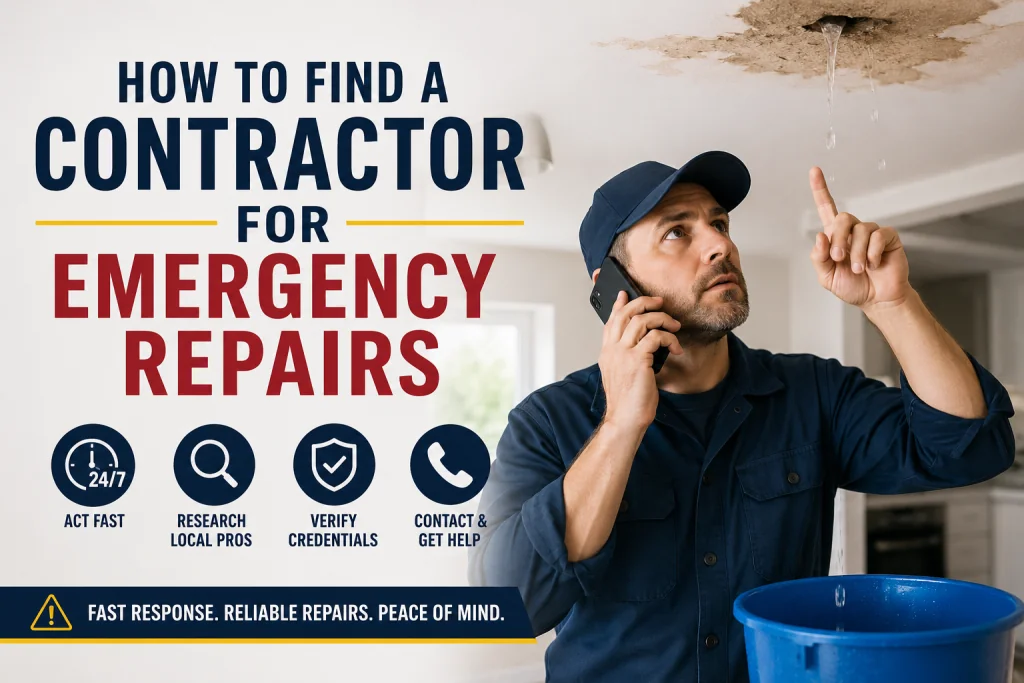
Meta Description: When disaster strikes your property, time is of the essence. Learn how to quickly find, vet, and hire a reliable contractor for emergency construction repairs without compromising on quality or safety.
In the construction and facility management world, emergencies don’t respect business hours, weekends, or holidays. A burst water main, a compromised structural beam, severe storm damage, or a failing HVAC system in a data center can halt operations and cause exponential damage by the minute.
When the clock is ticking, the margin for error drops to zero. Hiring the wrong contractor during a crisis can lead to inflated costs, subpar mitigation, and severe liability issues.
So, how do you find reliable help when repairs simply can't wait? Whether you are a property manager, facility director, or a general contractor needing rapid subcontractor support, here is your professional guide to sourcing and securing emergency repair contractors.
1. The Golden Rule: Build Your Roster Before the Crisis
The biggest mistake property owners and managers make is trying to vet contractors during an emergency. When you are stressed and facing mounting damages, you are vulnerable to "storm chasers" and unverified operators.
Proactive steps to take today:
- Create a Pre-Vetted List: Identify 2–3 reliable specialty contractors (e.g., water mitigation, structural shoring, emergency roofing, commercial electricians) in your area.
- Verify Credentials in Advance: Collect their Certificates of Insurance (COI), state licenses, and safety records (EMR) before you ever need to call them.
- Establish Relationships: Invite them for a site walk-through when things are calm. A contractor who knows your building’s layout and specific systems will respond much faster when an emergency hits.
2. Sourcing Help When the Clock is Ticking
If you didn’t build a roster beforehand and are facing an active crisis, you need to source help immediately. Skip generic search engine ads, which are often dominated by lead-generation brokers rather than actual builders.
Where to look for immediate, reliable help:
- Industry Associations: Reach out to local chapters of the Associated General Contractors (AGC), Associated Builders and Contractors (ABC), or the Construction Management Association of America (CMAA). They maintain directories of vetted, professional firms.
- Material Suppliers: Your local lumber yards, plumbing suppliers, or electrical distributors know exactly which local contractors have the cash flow and credibility to buy materials on emergency accounts.
- Your Existing Network: Call your primary General Contractor or property management firm. Even if they don't self-perform the emergency trade, they will have a trusted Rolodex of specialty subs they use daily.
3. The Rapid Vetting Checklist
When you have a contractor on the phone, you don't have time for a lengthy RFP process. You need to verify their capability in five minutes. Ask these critical questions:
- "Can you provide a COI right now?" A legitimate contractor will have their insurance broker on speed dial and can email a Certificate of Insurance with your company listed as the additional insured within the hour. Never let an uninsured contractor on your site, even in an emergency.
- "What is your exact response time?" Clarify if they mean "time to dispatch a crew to secure the site" versus "time to begin permanent repairs."
- "Do you self-perform this work, or are you brokering it out?" In an emergency, you want the actual boots on the ground, not a middleman adding a markup.
- "Can you provide a reference from a similar emergency job in the last 6 months?" Ask for a quick contact to verify their crisis management skills.
4. Structuring the Emergency Contract
Emergency repairs rarely allow for a perfectly scoped, fixed-price lump-sum contract. However, you still need to protect your financial interests.
- Focus on Mitigation First: The initial scope should be strictly limited to emergency mitigation (e.g., stopping the water, shoring the wall, tarping the roof). Permanent repairs should be scoped and bid separately once the site is secure.
- Use Time & Materials (T&M) with a Cap: If a fixed price is impossible, agree to a T&M contract, but always include a Not-To-Exceed (NTE) clause. Require the contractor to pause work and get your written approval before crossing 75% or 90% of that NTE threshold.
- Demand Detailed Daily Logs: Require the contractor to submit daily field reports detailing the number of workers on site, hours worked, and materials installed. This is crucial for insurance claims and auditing later.
5. Prioritize Safety and Compliance
In the rush to fix a problem, safety can sometimes be deprioritized. As the property owner or managing agent, you share liability for site safety.
Ensure the emergency contractor is adhering to OSHA standards. If the emergency involves hazardous materials (like asbestos or lead disturbed during a structural collapse), ensure they have the specific environmental certifications required by law. A delayed repair is always better than a catastrophic jobsite accident.
Emergency repairs are a test of your operational resilience. While the physical damage may be out of your control, your response is entirely within it. By shifting your mindset from reactive panic to proactive preparation, you ensure that when disaster strikes, you have a trusted, qualified partner ready to help you secure the site and get back to business.
Don't wait for the next crisis. Take 30 minutes this week to identify, vet, and document your emergency contractor roster. Your future self—and your bottom line—will thank you.
Found this article valuable?
Share it with fellow builders, architects, or download the QR code.
Written by Shanmugam2026
Verified CreatorARQONZ Editorial Team brings you expert insights, construction guides, and architectural design trends from across the building industry.
Related Articles in Construction
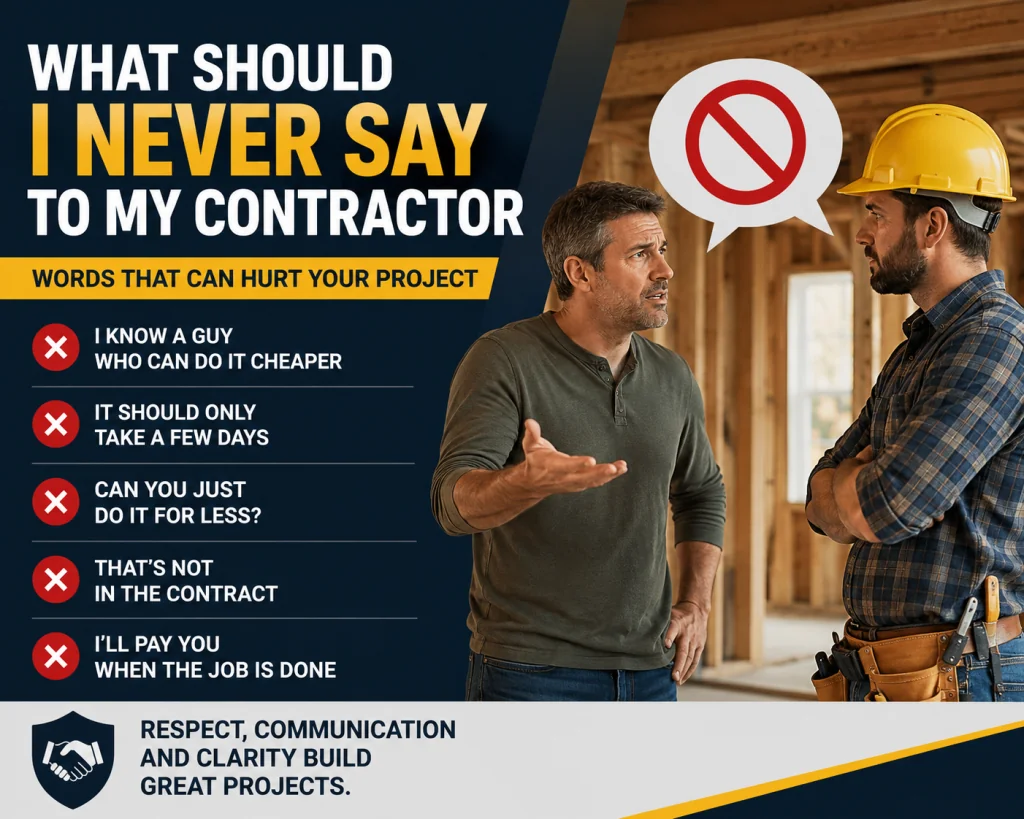
What Should I Never Say to My Contractor?