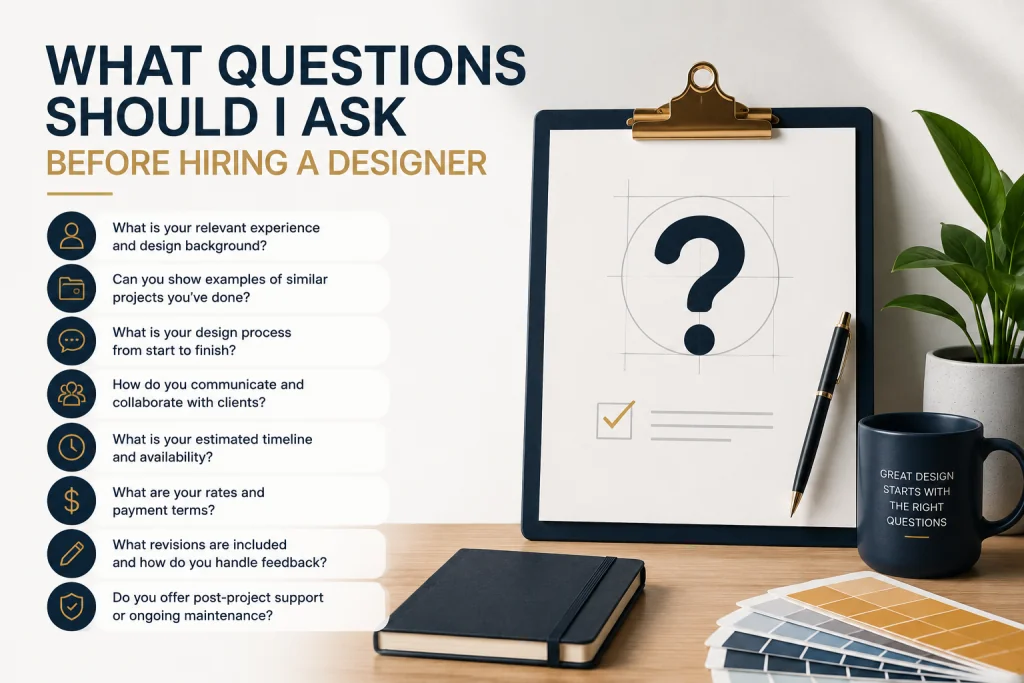
What Questions Should I Ask Before Hiring a Designer?
What Questions Should I Ask Before Hiring a Designer?
Meta Description: Hiring the wrong design partner can lead to costly change orders and project delays. Learn the critical questions to ask during due diligence when selecting design professionals for your next construction project.
Tags: #ConstructionManagement #AEC #ProjectDelivery #DesignBuild #DueDiligence #ConstructionRisk
In the construction industry, a project’s success is often won or lost before the first shovel even hits the dirt. The design phase sets the trajectory for your budget, schedule, and overall constructability. Yet, too many general contractors, developers, and project owners rush the selection of their Architecture, Engineering, and Construction (AEC) design partners.
Hiring the wrong designer doesn’t just mean dealing with aesthetic disagreements; it means navigating a avalanche of Requests for Information (RFIs), constructability issues, clash detections, and costly change orders in the field.
To protect your project’s bottom line and timeline, rigorous due diligence is non-negotiable. Whether you are hiring an architect, a structural engineer, an MEP (Mechanical, Electrical, and Plumbing) consultant, or a specialized interior designer, here are the critical questions you must ask before signing the contract.
1. Experience and Industry Expertise
You need a partner who understands the unique complexities of your specific project type, not just a generalist.
"Can you provide examples of similar projects you’ve completed, specifically regarding scale, scope, and delivery method?" Look beyond their portfolio. Ask for case studies that mirror your project’s delivery method (e.g., Design-Bid-Build, Design-Build, IPD). A designer who excels in traditional Design-Bid-Build might struggle with the fast-paced, collaborative nature of Integrated Project Delivery (IPD) or Design-Build.
"How familiar is your team with local jurisdiction codes, zoning laws, and permitting processes?" A brilliant design is useless if it can’t get permitted. Local experience ensures your designer knows the specific quirks of the local building department, which can save you months of delays during the entitlement and permitting phases.
2. Technical Capabilities and Technology
In modern construction, how a designer models the project is just as important as the final drawings.
"What is your proficiency with BIM (Building Information Modeling), and what is your protocol for clash detection?" In today’s AEC landscape, 3D coordination is mandatory. Ask to see their BIM Execution Plan (BEP). You want to know how they coordinate with other trades, at what Level of Development (LOD) they model, and how proactively they resolve MEP/structural/architectural clashes before they become field issues.
"How do you approach constructability reviews and value engineering?" A good designer designs for the field, not just for the rendering. Ask how they involve contractors during the preconstruction phase. Do they have a formal process for constructability reviews? How do they handle value engineering—do they just cut costs, or do they find innovative ways to maintain design intent while optimizing the budget?
3. Project Management and Communication
Miscommunication in the design phase translates directly to rework in the field.
"What is your expected turnaround time for RFIs, submittals, and shop drawing reviews during construction?" This is arguably the most critical operational question. A designer who takes three weeks to respond to an RFI can bring a job site to a grinding halt. Establish clear, contractually binding SLAs (Service Level Agreements) for response times during the construction administration phase.
"Who will be my day-to-day point of contact, and what is your communication protocol?" You don’t want the firm’s "rockstar" principal to sell you the project, only to hand the day-to-day execution to a junior draftsperson. Clarify the team structure. Establish how communication will be handled (e.g., Procore, Autodesk Construction Cloud, BIM 360) and how often you will receive design progress updates.
4. Risk Management and Liability
When things go wrong, you need to know you are protected.
"What are your Professional Liability (Errors & Omissions) insurance limits, and can you provide a certificate of insurance?" Never skip this step. Ensure their E&O coverage is sufficient for the total value and risk profile of your project. Furthermore, check if they carry adequate General Liability and Workers' Compensation insurance.
"How do you handle design errors or omissions discovered during construction?" Mistakes happen, but how a designer responds to them defines their professionalism. Do they have a formal process for issuing bulletins and revised drawings quickly? Are they willing to stand behind their work and absorb the costs associated with their own design errors? Get their stance on this in writing.
5. Sustainability and Future-Proofing
Buildings are long-term assets; the design should reflect lifecycle value.
"How do you integrate sustainable design practices, and are you familiar with specific certification frameworks (LEED, WELL, Envision)?" Even if your project isn’t aiming for formal green certification, asking about energy modeling, sustainable material sourcing, and lifecycle cost analysis shows whether the designer is forward-thinking. A design that lowers operational costs will add immense long-term value for the building owner.
Selecting a design professional is not just about picking the most creative vision or the lowest fee. It is about selecting a risk-mitigation partner. The questions you ask during the interview and due diligence phase will reveal a firm’s operational maturity, technical competence, and cultural fit.
Take the time to thoroughly vet your design partners. Check their references, call their past general contractors, and review their past project closeout documents. In the construction industry, a few extra weeks of rigorous due diligence during the design phase will save you months of headaches—and millions of dollars—during construction.
Found this article valuable?
Share it with fellow builders, architects, or download the QR code.
Written by Shanmugam2026
Verified CreatorARQONZ Editorial Team brings you expert insights, construction guides, and architectural design trends from across the building industry.
Related Articles in Construction
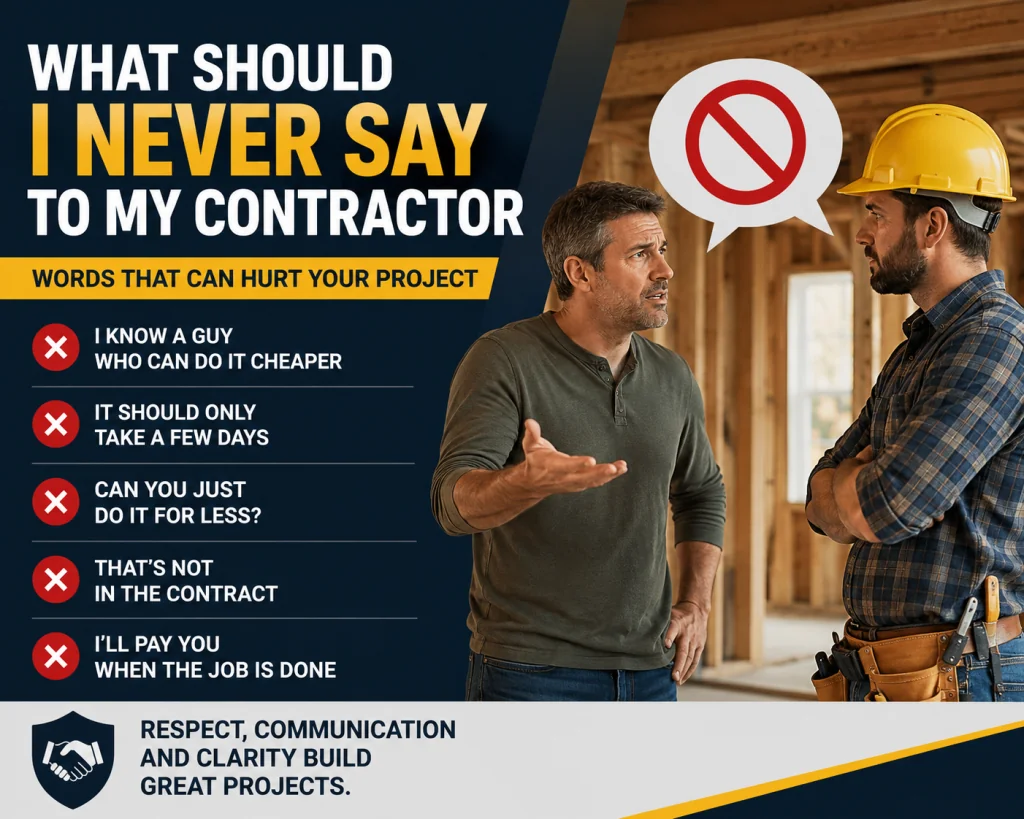
What Should I Never Say to My Contractor?