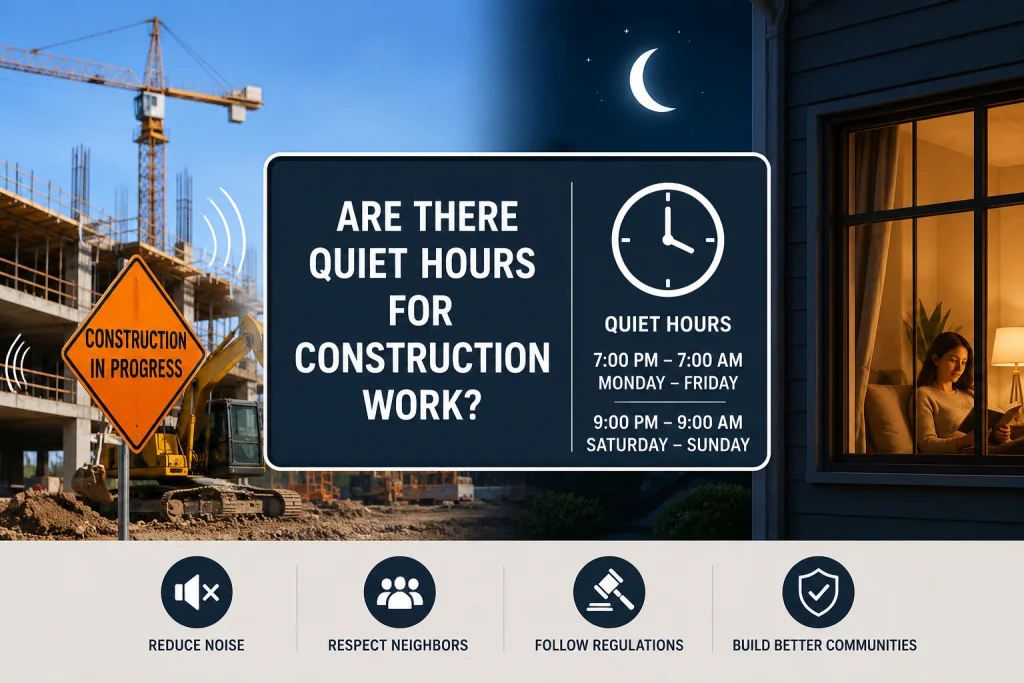
What Should I Do About Construction Noise Affecting My Work?
What Should I Do About Construction Noise Affecting My Work?
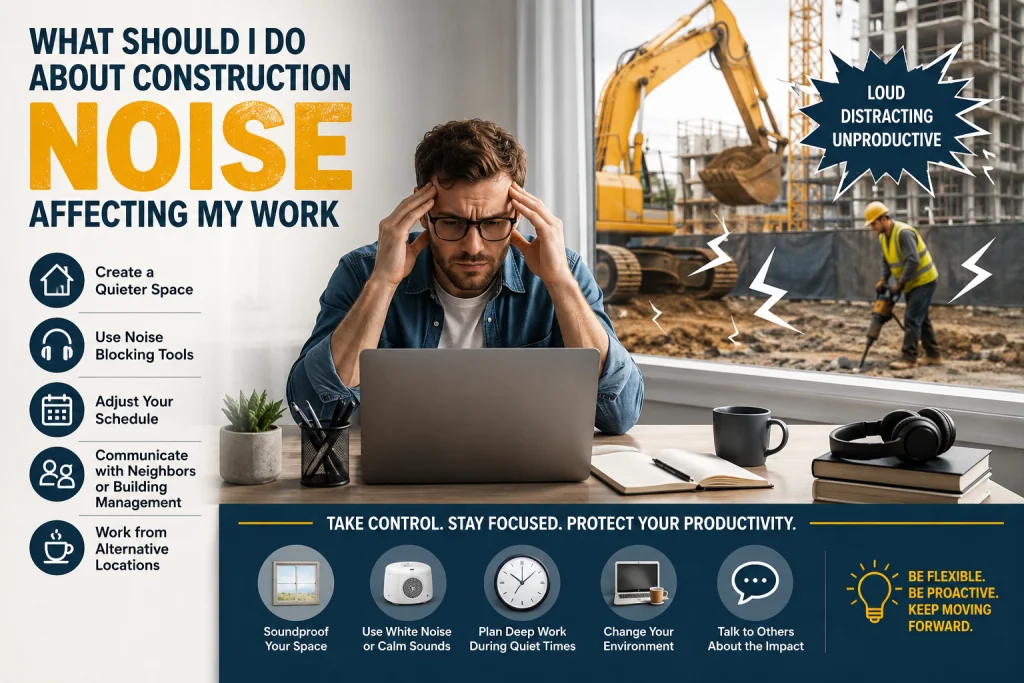
In the construction industry, noise is an unavoidable byproduct of the job. However, when construction noise affects your work—triggering community complaints, regulatory fines, or even stop-work orders—it transforms from a simple nuisance into a critical project risk.
For project managers and site superintendents, unmanaged noise doesn't just upset the neighbors; it disrupts your schedule, inflates your budget, and damages your company’s reputation.
If you are asking, "What should I do about construction noise affecting my work?", the answer lies in shifting from a reactive mindset to a proactive one. Here is a comprehensive guide to noise disruption solutions for the modern construction professional.
1. Pre-Construction Planning: Design Out the Noise
The most effective way to handle noise disruption is to plan for it before the first piece of heavy equipment arrives on site.
- Conduct a Noise Impact Assessment: Before breaking ground, evaluate the site’s proximity to "sensitive receptors" (residential areas, hospitals, schools, and corporate offices).
- Strategic Site Layout: Position your site offices, material storage, and parking areas to act as a physical buffer between the noisiest work zones and the property lines.
- Review Local Ordinances: Every municipality has strict decibel limits and allowable working hours. Know these limits inside and out to ensure your baseline plan is fully compliant.
2. Implement On-Site Engineering Controls
When physical barriers and equipment choices are optimized, you can drastically reduce the sound footprint of your project.
- Deploy Acoustic Barriers: Install acoustic blankets, sound-absorbing panels, or specialized noise-reduction fencing around the perimeter of the site. For highly sensitive areas, consider mobile noise barriers that can be moved as the work progresses.
- Upgrade and Maintain Equipment: Older, poorly maintained machinery is significantly louder. Implement a strict preventative maintenance schedule to keep mufflers and engine components in top shape. Where possible, transition to newer, quieter equipment, or utilize electric/hybrid machinery for urban sites.
- Use Alternative Methods: Swap out high-impact tools for quieter alternatives. For example, use hydraulic crushers instead of pneumatic jackhammers, or utilize silent cracking technology instead of explosive demolition when feasible.
3. Optimize Scheduling and Logistics
How and when you execute noisy tasks can make or break your relationship with the surrounding community.
- Cluster Noisy Activities: Instead of spreading out high-noise tasks (like pile driving or concrete coring) over several weeks, cluster them into a few intensive days. This gets the worst of the noise over with quickly.
- Strategic Timing: Schedule the loudest operations for the middle of the day. Avoid early mornings, late evenings, and weekends for high-decibel work, unless explicitly permitted and communicated.
- Manage Traffic and Idling: Construction vehicles contribute heavily to ambient noise. Enforce a strict "no-idling" policy for trucks and heavy machinery to reduce continuous, low-frequency rumbling.
4. Master Community Communication
Often, the disruption caused by noise is amplified by a lack of communication. People are much more tolerant of noise if they know it is coming, why it is happening, and how long it will last.
- Appoint a Community Liaison: Designate a specific person on your team to handle community relations. Give neighbors a direct point of contact rather than a generic company email.
- Issue Advance Notices: Send out weekly newsletters, emails, or physical flyers detailing the upcoming week’s schedule, specifically highlighting the days and times when high-noise activities will occur.
- Establish a Rapid Response Protocol: When a noise complaint comes in, acknowledge it immediately. Investigate the source, adjust your operations if necessary, and follow up with the complainant to let them know the issue was resolved.
5. Leverage Real-Time Noise Monitoring Technology
Stop guessing if you are compliant and start proving it. Modern noise monitoring technology is a game-changer for urban construction.
- Install Decibel Monitors: Place real-time noise monitors at the site boundaries. These devices track ambient sound levels 24/7 and transmit data to the cloud.
- Set Up Automated Alerts: Configure the monitors to send instant SMS or email alerts to the site superintendent if decibel levels approach the legal limit. This allows your team to pause and adjust operations before a neighbor calls the city to file a complaint.
- Maintain a Data Log: Keep a digital record of all noise monitoring data. If a false complaint is filed or a dispute arises with local authorities, you will have concrete, timestamped data to prove your compliance.
Construction noise affecting your work is a challenge, but it is a highly manageable one. By combining strategic planning, physical mitigation, smart scheduling, transparent communication, and modern monitoring technology, you can keep your project moving forward without alienating the community or inviting regulatory intervention.
Found this article valuable?
Share it with fellow builders, architects, or download the QR code.
Written by Shanmugam2026
Verified CreatorARQONZ Editorial Team brings you expert insights, construction guides, and architectural design trends from across the building industry.
Related Articles in Construction

What Should I Never Say to My Contractor?