Which Green Building Certifications Actually Matter
Which Green Building Certifications Actually Matter
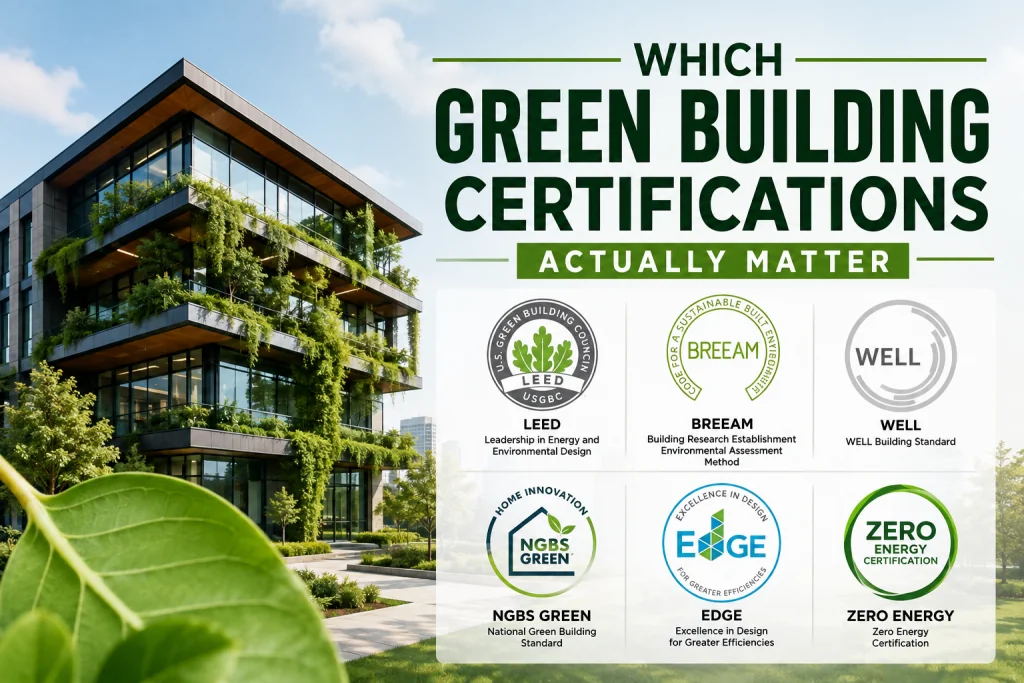
If you work in the construction, architecture, or development sectors, you are likely familiar with the "alphabet soup" of green building certifications. From LEED and Passive House to WELL and the Living Building Challenge, the options can seem overwhelming.
As energy codes tighten and clients demand more sustainable, resilient, and healthy spaces, green certifications have transitioned from niche marketing tools to baseline expectations. But with limited budgets, tight schedules, and complex supply chains, which certifications actually move the needle? More importantly, which one is right for your specific project?
Here is a professional breakdown of the major green building standards, what they demand from the construction team, and how to choose the right one for your next build.
1. LEED (Leadership in Energy and Environmental Design)
The Global Standard for Marketability and ESG
Developed by the U.S. Green Building Council (USGBC), LEED remains the most widely recognized green building certification in the world. It uses a points-based system across various categories, including energy use, water efficiency, air quality, and materials selection.
What it means for the construction team: LEED requires rigorous documentation. Contractors and subcontractors must meticulously track waste diversion, material sourcing (EPDs/HPDs), and indoor air quality management during construction.
- The Pros: Unmatched brand recognition. It is highly favored by corporate tenants looking to meet their ESG (Environmental, Social, and Governance) goals. It offers flexible pathways, meaning you can earn points in areas where your team naturally excels.
- The Cons: It is heavily administrative. Because it is a "checklist" approach, a building can achieve LEED Platinum without necessarily being a high-performance, ultra-low-energy building.
- Who it’s for: Commercial real estate developers, corporate headquarters, and projects where leasing velocity and tenant marketing are the primary financial drivers.
2. Passive House (Passivhaus)
The Ultimate Performance and Energy Standard
Originating in Germany, Passive House is not a checklist; it is a rigorous, performance-based standard. It focuses on creating a super-insulated, airtight building envelope that requires very little active heating or cooling.
What it means for the construction team: Passive House shifts the focus from documentation to execution. The construction quality must be flawless. Teams must master advanced air-sealing techniques, eliminate thermal bridging, and install specialized energy recovery ventilation (ERV) systems. The building must pass a strict blower-door test to prove airtightness.
- The Pros: Drastically reduces operational energy use (often by 70-90% compared to standard code). It future-proofs the asset against rising energy costs and increasingly strict energy codes. It also ensures exceptional indoor air quality and acoustic comfort.
- The Cons: Steep learning curve for crews unfamiliar with the detailing. It requires high upfront design precision; changes in the field are costly and difficult to accommodate.
- Who it’s for: High-performance residential builders, schools, healthcare facilities, and developers focused on long-term operational savings and extreme climate resilience.
3. WELL Building Standard
The Human-Centric Approach
While LEED focuses on the environment and Passive House focuses on energy, WELL focuses entirely on the people inside the building. It measures, certifies, and monitors features of the built environment that impact human health and wellness, including air, water, nourishment, light, fitness, and comfort.
What it means for the construction team: WELL requires strict adherence to material health (avoiding toxic chemicals) and advanced commissioning of mechanical systems to ensure optimal ventilation and filtration. It also places heavy emphasis on construction-phase indoor air quality management (IAQ) to protect the building from dust and VOCs before occupancy.
- The Pros: Directly correlates to occupant health, productivity, and retention. In the post-pandemic era, Class A office tenants and high-end residential buyers are willing to pay a premium for verified healthy spaces.
- The Cons: Can be expensive to achieve and requires ongoing performance monitoring even after the building is occupied.
- Who it’s for: Class A office developments, healthcare facilities, high-end multifamily residential, and corporate clients prioritizing workforce wellness and productivity.
4. Living Building Challenge (LBC)
The Regenerative Eco-Purist
Administered by the International Living Future Institute, the LBC is arguably the most rigorous green building standard in the world. It doesn’t just aim to do "less harm"; it aims to do "good." Buildings must be net-positive for energy and water, and all materials must be non-toxic and sustainably sourced.
What it means for the construction team: The LBC features a "Red List" of forbidden chemicals and materials. The construction team must vet every single product, from the paint on the walls to the adhesives in the flooring. It requires a profound shift in supply chain management and procurement.
- The Pros: Creates a legacy building that is truly regenerative. It is the ultimate statement of environmental stewardship.
- The Cons: Extremely difficult, time-consuming, and expensive. Sourcing compliant materials can cause significant schedule delays if not planned months in advance.
- Who it’s for: Visionary institutional clients, university campuses, nature centers, and developers aiming to create a landmark "trophy" asset.
How to Choose the Right Certification for Your Project
Selecting the right certification isn't about picking the "best" one; it’s about picking the one that aligns with your project’s core objectives. Ask yourself these three questions:
- What is the primary driver?
- If it’s leasing and ESG reporting, go with LEED.
- If it’s operational cost reduction and energy resilience, go with Passive House.
- If it’s tenant health and productivity, go with WELL.
- What is the team’s capacity? LEED requires heavy administrative documentation. Passive House requires heavy field execution and quality control. Ensure your general contractor and subcontractors have the specific expertise required for the chosen path.
- What are the local incentives? Many municipalities now offer zoning bonuses, tax abatements, or expedited permitting for specific certifications. Check local codes before making a final decision.
The biggest mistake construction professionals make is treating a green certification as an afterthought. If you wait until the construction documents are 100% complete to decide on a certification, you will face massive value-engineering headaches and budget overruns.
The golden rule of green building: Bring your sustainability consultant, your certifier, and your general contractor to the table during the pre-design phase.
Certifications are simply tools to help us build better, more resilient structures. When managed correctly from day one, they don't just result in a plaque on the wall—they result in a higher-performing asset that delivers real ROI for the owner and a better environment for the end-user.
Found this article valuable?
Share it with fellow builders, architects, or download the QR code.
Written by Shanmugam2026
Verified CreatorARQONZ Editorial Team brings you expert insights, construction guides, and architectural design trends from across the building industry.
Related Articles in Construction
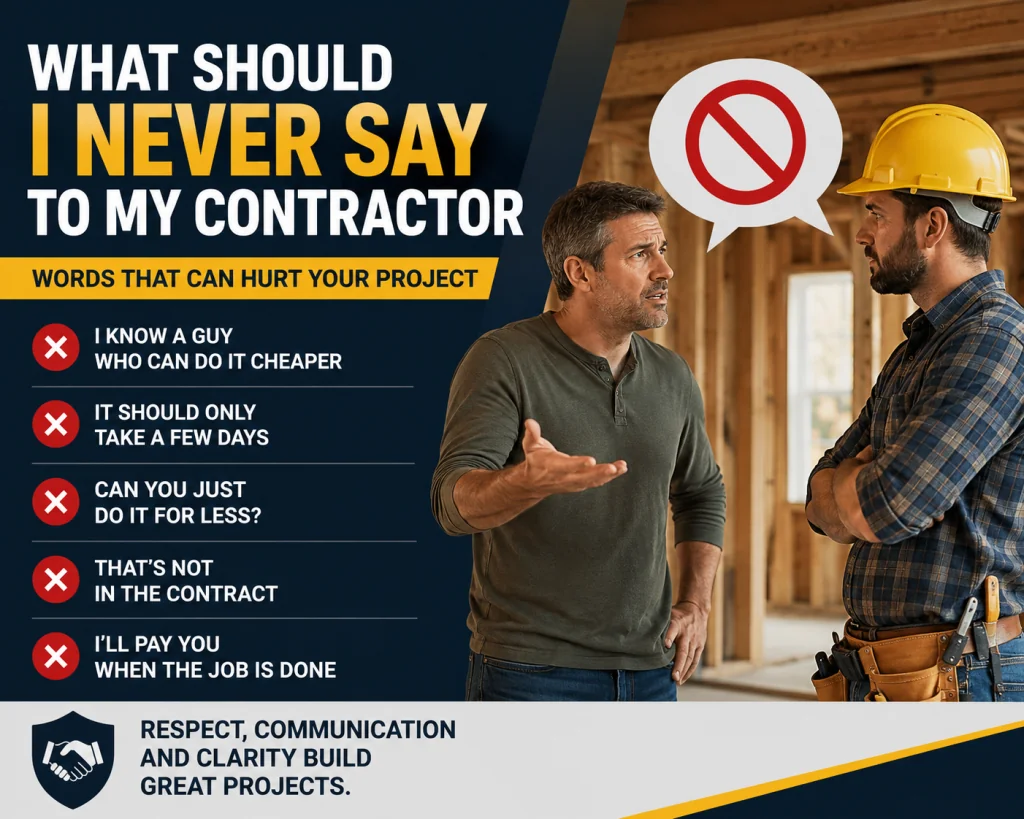
What Should I Never Say to My Contractor?